
Back to School Tips from a Professional Organizer
The first-day photos have been taken, new backpacks have been broken in, and the school papers are already piling up on the counter. The excitement of back to school is quickly fading and the reality that we’ve started another school year is starting to set in.
Unfortunately, school comes with a lot of “stuff” that needs to be managed in your home. But don’t panic! I have some practical, easy-to-follow tips on how to set your home up for an A+ year.
Designate a Home for Backpacks and Lunchboxes
Having a dedicated spot where the backpacks and lunchboxes return to every evening helps everyone know where to go to grab their things in the morning rush. There are multiple ways you can create a zone for backpacks and lunchboxes.
Hooks are a great option if you have the wall space. You can hang hooks in several places that work for your family, such as the laundry room, mud room, entryway, shoe closet, garage, or bedroom. If hooks aren’t an option, you could also use shelf cubbies, a cabinet, or even a large bin set on the floor out of the way.
Lunchboxes can be stored with the backpacks, or in their own drawer, cabinet, or bin in the pantry so they are close to the kitchen for easy lunch-making.
As long as there’s a designated zone where they land every day, it’ll make packing up the next morning much easier.
Have a Plan for School Papers
There are a LOT of school papers that come home with your kid(s), especially if you have elementary-aged kiddos. It can be overwhelming if you don’t have a plan for what to do with them.
I highly suggest having your kids empty their folders every afternoon. Here is how I would sort the papers and what to do with them:
1. Recycle: The majority of the papers they bring home just need to head straight to the recycling bin. Papers that can be recycled right away may include daily worksheets, graded homework, and information from the school after you’ve read it, such as newsletters, upcoming events, etc.
2. Action: Any pieces of paper that involve something you need to act on. Field trip permission slips, lunch menus, important events/dates you need to put in your calendar, and project descriptions/due dates are some examples.
If possible, take action right away, such as filling out the permission slip and returning it to their folder, or recording the information directly into your calendar. If the action can’t be completed immediately, put it in a folder labeled “Action” for you to return to another time.
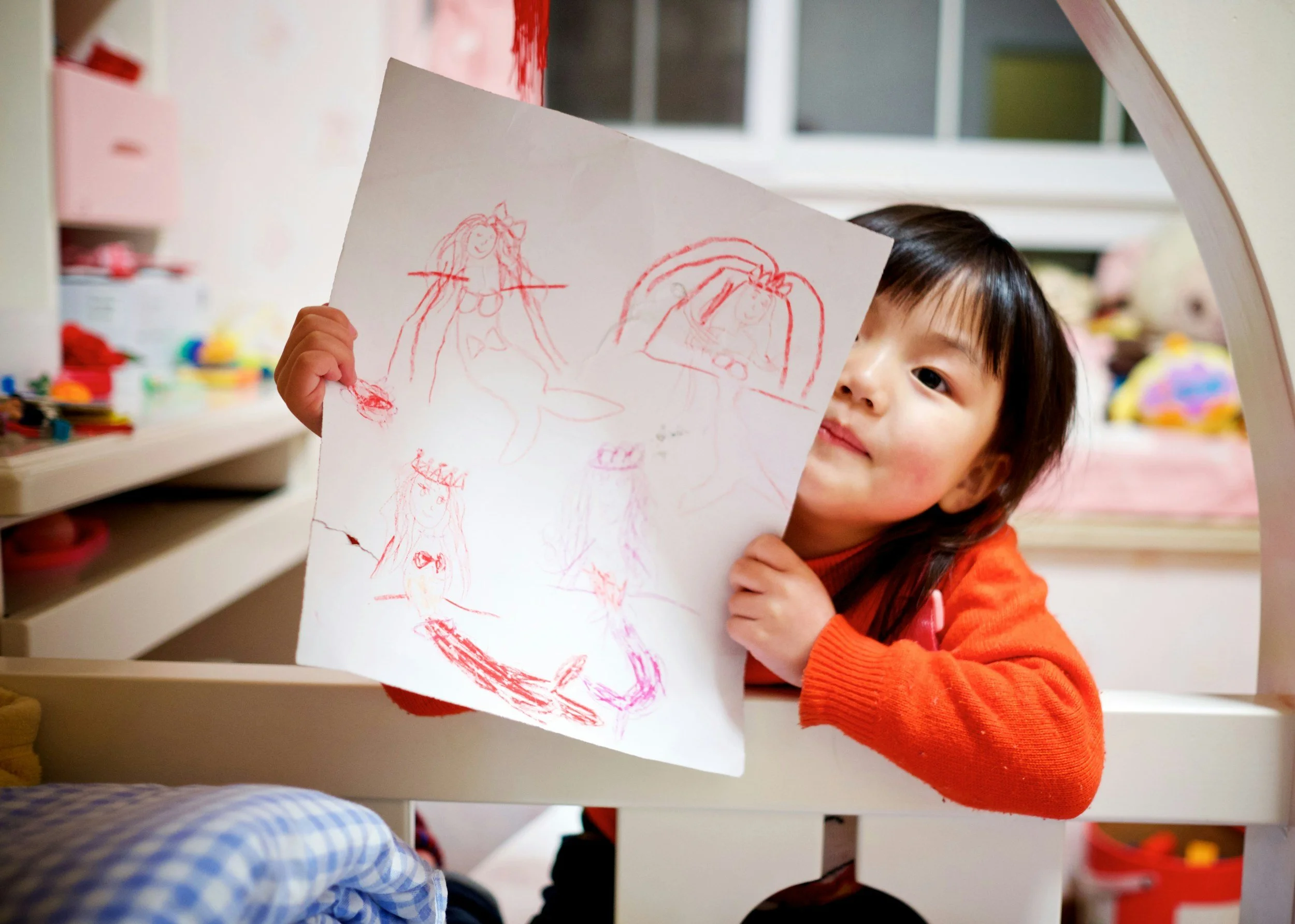
3. Memories: Some papers that come home are ones you may want to save. Any schoolwork or artwork that is special to you or your child, or reflects a milestone or achievement, may fall into this category.
For example, when my kids were younger, I liked to keep anything that had handprints so they can look back on how little they once were. As they get older, I like to keep anything that represents a milestone for them, such as their first written story or a presentation that showed how hard they worked.
Having a bin, folder, or binder for those special and/or sentimental papers is a good idea for safe keeping.
Family calendar
Have a family calendar in a central location that everyone can see. It saves you from hearing the questions, “When is practice? When is the party? When is my concert? When? When? When?” over and over.
The calendar doesn’t have to be fancy - you can use a big paper calendar, or a dry erase board, just as long as it’s something that everyone has access to and is big enough to write everything down.
Also, until the kids are used to their school schedules, it can be helpful to post their class schedules somewhere so they know what to expect during the school day. It’s nice for kids to be able to check on their own when they need to wear sneakers because they have P.E. that day, or when they should grab their instrument for band lessons.
Create a homework spot
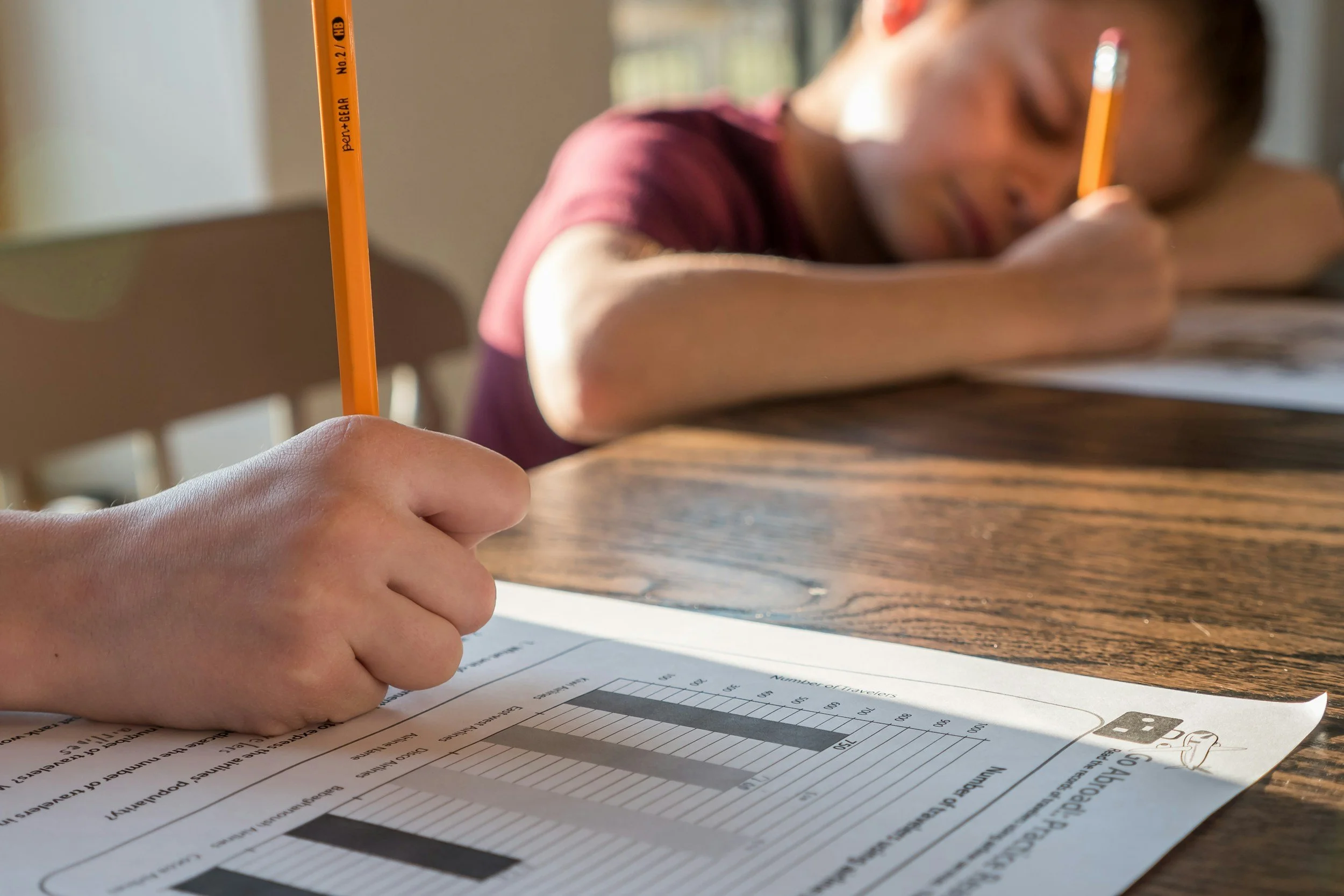
It doesn’t take much to gather a few school supplies so they’re within reach when your kiddo does his/her homework. Try to follow your kid’s lead and create the spot where he/she naturally gravitates towards when doing homework. Often times, it’s closest to where mom or dad is, or where the snacks are kept.
A clear work surface, such as a kitchen island, dining table, or desk, provides a nice, inviting spot for them to spread out and focus on their work.
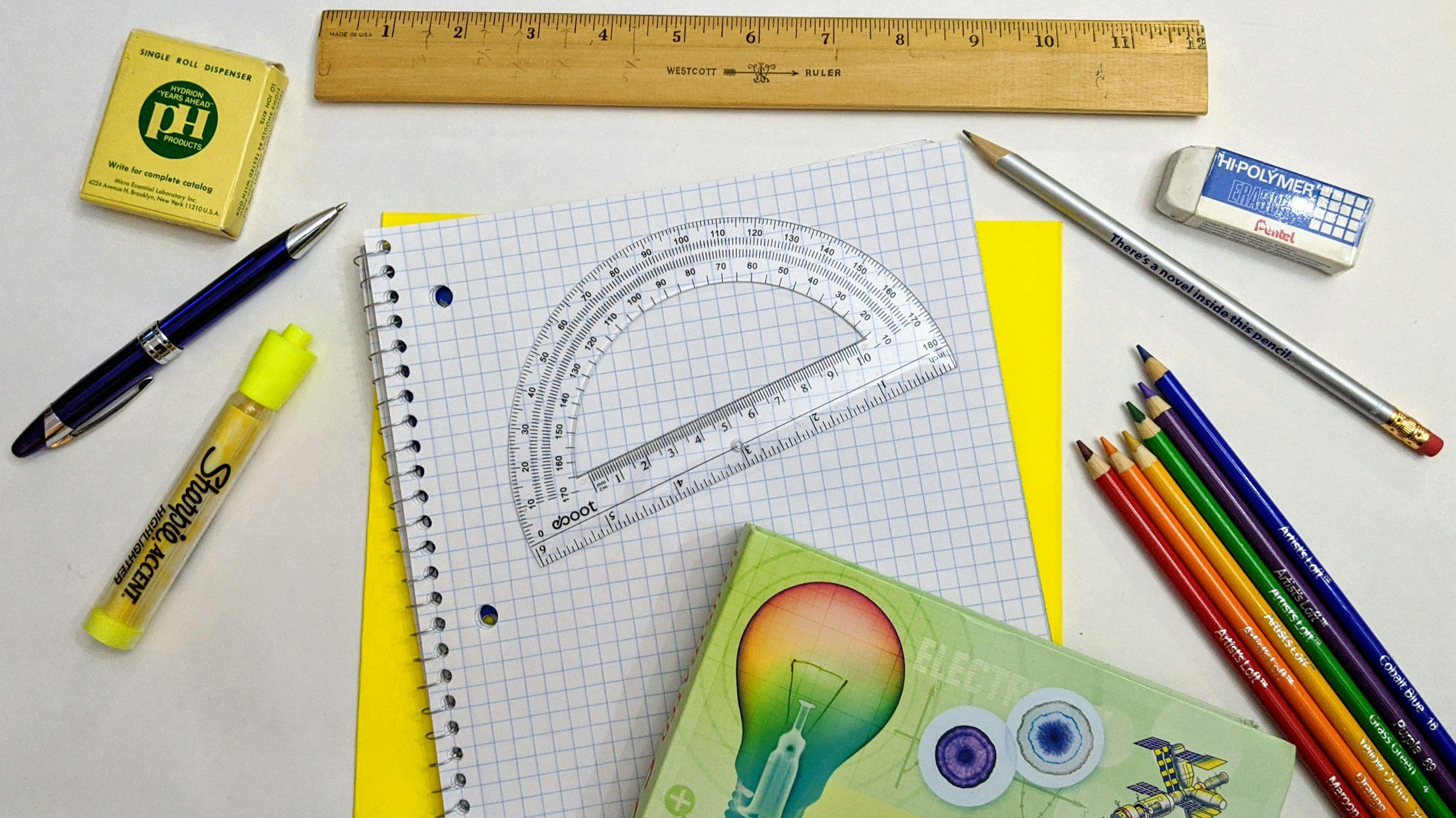
Nearby their favorite homework spot, it may be helpful to stash a few handy school supplies in a bin or caddy. The supplies can be tucked away in a cabinet or closet somewhere and pulled out when they’re needed for homework time. Keep in mind the age of your child and what they may need when gathering supplies. Younger kids will need things like pencils, crayons, scissors, and glue, while older kids may want paper, pens/pencils, erasers, and a calculator.
Create a lunch-packing station
Create a zone in your kitchen where all of the items for packing lunches are stored together. Lunchboxes or bags, storage containers, napkins, lunch notes and pen, water bottles, baggies, utensils, etc. are all things that make packing a lunch a whole lot easier if they’re grouped.
You can use a drawer, a cabinet, or a part of the pantry to put all of the lunch-making supplies in.
The less you have to run around your kitchen, the easier your school mornings will be.
You Don’t Have to Do It All
You don’t need to completely reorganize your house for the school year. Think about which parts of your family’s daily routine create the most stress and start there.
Even a few small systems, such as giving backpacks a home, creating a system for sorting school papers, or grouping lunch-packing supplies together, can make a big difference in how smoothly your mornings and afternoons run.
The goal isn’t a perfectly organized home. It’s creating a home that works better for your family and makes the busy school season a little easier.
If you’re not sure where to start, or need a little help creating those systems in your home, I’d love to help you! If you’re in Carroll County or Howard County, Maryland, please reach out to Maple Organizing to learn how to get started.
Hey there! I’m Diana and I’m a professional home organizer in Sykesville, Maryland. I love helping families declutter and organize their homes so they can spend more time doing the things that they love. I can support you wherever you are in your journey so that you can feel more peace in your home.
Click here to schedule a complimentary consultation so we can talk more about what an organized home can do for you!